The difference between soft wash and pressure wash is pressure and chemistry. Pressure washing uses high-pressure water to blast dirt off a surface. Soft washing applies a mixture of soaps, algaecides and water at garden hose pressure, which kills moss, algae and other growth at the roots instead of blasting it.
Soft washing vs pressure washing at a glance
Here is the difference between pressure washing and soft washing, side by side.
| Soft wash | Pressure wash | |
|---|---|---|
| How it cleans | Soaps, algaecides and water kill growth at the roots | High-pressure water knocks dirt and growth off the surface |
| Pressure | Garden hose pressure | High pressure |
| Roof shingles | Follows ARMA roof cleaning recommendations | High pressure can strip the protective granules from asphalt shingles |
| Moss afterward | Turns brown or white and falls off with rain in 3 to 6 months | Removed on the day, along with any granules it is attached to |
Should you pressure wash roof shingles?
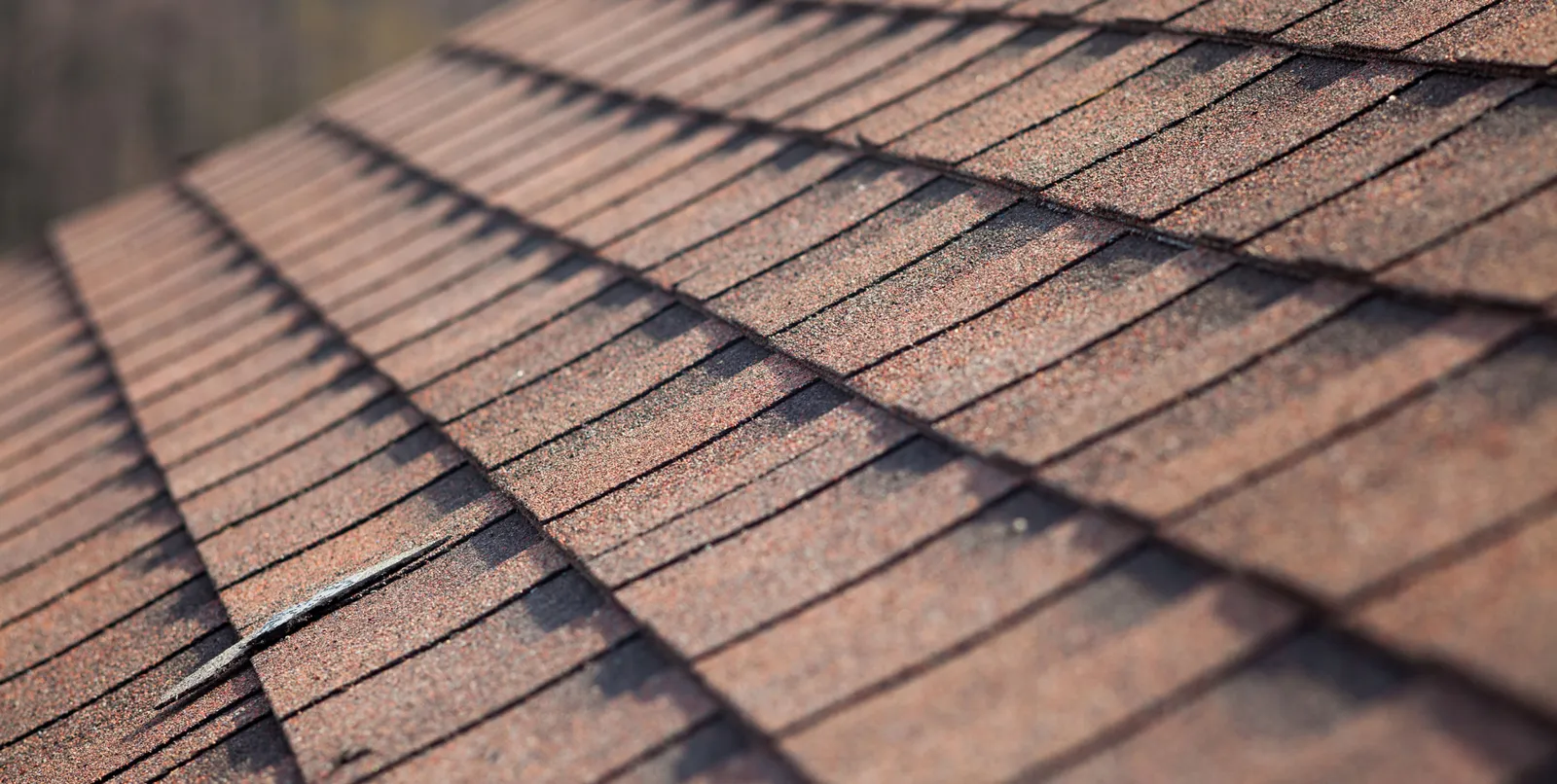
We do not recommend it. Moss grabs onto the granules of your roof, and when moss is removed it takes granules with it, which takes years off the roof's life. High-pressure water makes that worse. That is why we follow ARMA (Asphalt Roofing Manufacturers Association) recommendations and clean roofs with a soft wash at garden hose pressure.
How our soft wash roof cleaning works
- We lightly brush or blow off large and loose debris.
- We apply our mixture of soaps, algaecides and water at garden hose pressure.
- Black streaks, animal droppings and mold come off right away. Remaining moss and lichen turns brown or white and falls off with weather and rain in 3 to 6 months.
Depending on conditions, the roof stays clean for 3 to 5 years. Our soft wash is safe and effective for asphalt, tile, cedar shake and metal roofs.
What about siding?
[Client to confirm the method used on vinyl siding and other surfaces, so this section can explain when you soft wash and when you pressure wash.]